


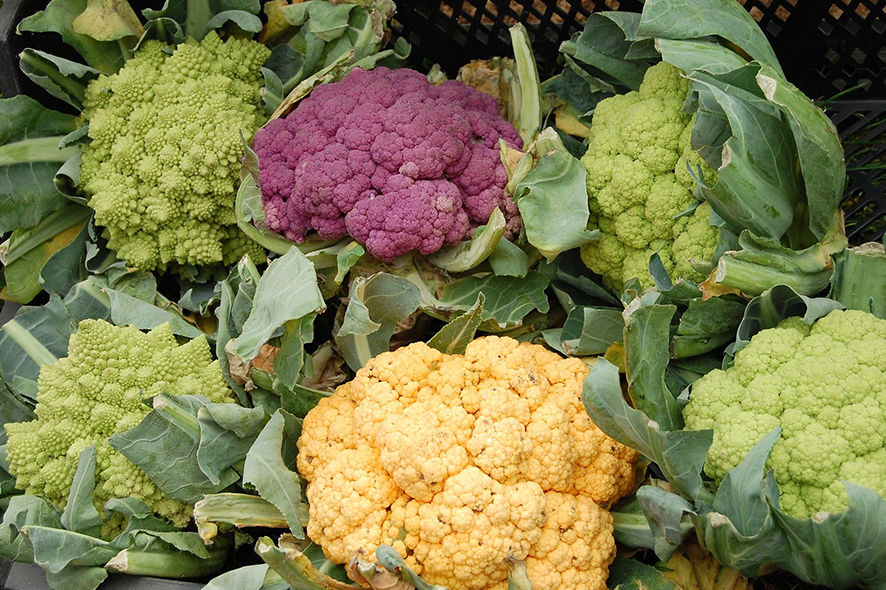
Cauliflower (Brassica oleracea botrytis) has become popular in recent years due to the growing demand for healthy foods. Cultivation of this culture is not very difficult, but there are some rules that you need to keep in mind.
Complete Guide for Cauliflower Cultivation
📌 General Description
Cauliflower (Brassica oleracea var. botrytis) is a cruciferous vegetable rich in vitamins and minerals, valued for its delicate taste and texture. It is sensitive to extreme temperatures and requires careful attention to produce high-quality yields.
🔎 1. Choosing the Land and Preparing the Soil
-
Cauliflower prefers fertile, well-drained soils rich in humus.
-
The optimal soil pH is 6,0 - 7,0.
-
Fertilizing with well-decomposed manure or compost before planting is recommended.
-
Crop rotation is essential! Avoid planting cauliflower in the same land where other cruciferous vegetables (such as cabbage or broccoli) were previously grown.
🌿 2. Sowing and Transplanting Seedlings
-
Seeds are sown in seedbeds in early spring at a temperature of 18-22°C.
-
Seedlings are ready for transplanting after 4-6 weeks when they have 5-6 well-developed leaves.
-
Planting distance:
-
Between rows: 50-70 cm
-
Between plants: 40-50 cm
-
💧 3. Crop Care
🔹 Watering: Cauliflower requires regular watering, especially during the formation of inflorescences. The soil should remain slightly moist but not waterlogged.
🔹 Fertilizing: Apply nitrogen-based fertilizers 2-3 weeks after transplanting, followed by additional fertilizers containing potassium and phosphorus.
🔹 Disease Protection: Preventive treatments for mildew, rot, and aphids should be applied using eco-friendly solutions or recommended chemical treatments.
🥦 4. Harvesting
-
Cauliflower is harvested when the inflorescence is firm, compact, and white, before it begins to open up.
-
It is cut with about 5 cm of stem and a few leaves for protection.
What You Need to Know About Cauliflower
Essentially, a cauliflower is a large cluster of flowers. It belongs to the Brassica oleracea species and is an annual plant that reaches maturity in late summer or early autumn. It’s a nutrient-rich vegetable, increasingly appreciated in recent years and included in a variety of dishes due to its exceptional versatility. It has a slightly sweet taste that, when properly highlighted, can be reminiscent of nuts, with a distinct, mildly pungent aroma and a texture that varies depending on how it's cooked.
Although there is a common belief that the healthiest fruits and vegetables are the brightly colored ones, cauliflower is a notable exception. A “blood relative” of broccoli—differing in color, size and density of its floral buds and inflorescence branches—cauliflower has fewer calories and carbohydrates, while broccoli contains more vitamins and minerals.
Cauliflower is a great source of vitamins C and K, folate, and fiber. It is also rich in phytochemicals and antioxidants—natural compounds believed to play a role in preventing chronic diseases, especially when consumed regularly, ideally raw or lightly cooked, at least once or twice a week.
Nutritional Value and Health Benefits
Despite having very few calories—around 30 per 100 grams—cauliflower is a good source of plant-based protein (1.18 g/100 g), contains no fat, and has 4.71 g of carbohydrates per 100 g. It's high in fiber (1.2 g). In 100 grams of cauliflower, there are 48.2 mg of vitamin C, which represents 58% of the daily recommended intake, and 15% of the daily requirement for vitamin K, or 15.5 μg. Cauliflower also contains a range of B vitamins (B1, B2, B3, B5, B6, and B9) in varying amounts, covering between 4% and 14% of the daily needs. Additionally, it contains potassium, magnesium, manganese, and phosphorus, as well as small amounts of iron.
Cauliflower is composed of 90–92% water and contains complex combinations of isothiocyanates, glucosinolates, and antioxidants, including choline—an essential nutrient produced in small amounts by the liver and supplemented through diet. Though not a vitamin or mineral, choline is often associated with the B vitamin group due to its similar properties. Choline plays a role in brain function, liver health, and certain aspects of fat metabolism.
The combination of vitamin C and K, along with manganese, helps neutralize free radicals before they can damage healthy cells, contributing to the prevention of certain chronic diseases. The fiber content supports digestive processes and helps eliminate excess fats, benefiting the body as a whole.
It's important to note that all these benefits are common to cruciferous vegetables. This family of vegetables is a significant source of sulfur-containing compounds—the same compounds responsible for their distinctive smell. Some studies suggest that these compounds may offer protection against certain diseases, as long as they are regularly consumed through food.
Its nutritional profile makes cauliflower ideal for vegetarians, people with gluten intolerance, and those following a weight loss diet.
Types of Cauliflower
The most popular variety is white cauliflower. It's important to note that broccoli is not simply green cauliflower, even though a green variety of cauliflower does exist—it's actually the result of crossing white cauliflower with broccoli.
Another green variety is Romanesco, arguably the most beautiful vegetable in the world, with its slightly otherworldly look, symmetrical spirals, and pointed florets. Known scientifically as Brassica oleracea, it lacks any bitter taste, has a mildly sweet flavor, and is rich in vitamin C, fiber, and health-boosting carotenoids. Its Italian origin, from around the Rome region, explains its name, and its popularity has been steadily growing over the past 30 years.
Orange cauliflower was discovered in the 1970s near the border between the United States and Canada, in a swampy area. It is a natural mutation, and several hybrids have been developed from it. It has a sweet taste and, when cooked in any way similar to classic white cauliflower, it tends to have a creamier texture. It is very rich in vitamin A and is fairly widely cultivated.
The purple cauliflower gets its vibrant color from anthocyanins, plant pigments rich in antioxidants—the same compounds found in red cabbage. It is a natural hybrid, likely a random combination of red cabbage and cauliflower, with a crumbly lavender to deep violet inflorescence. The intense color is present only on the surface, while the inside remains a creamy white. It has the characteristic cauliflower flavor, but milder, with a pleasant, sweet taste and no bitterness. When boiled, it turns green.
Classic Cauliflower: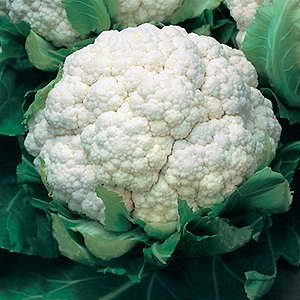 The largest vegetable commonly found in our markets – white in color, with a distinctive, slightly pungent smell caused by sulfur-based compounds. It's a true health remedy, which is why cauliflower is also used in therapeutic practices.
Orange or Yellow Cauliflower:
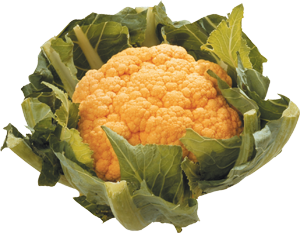 A type of cauliflower that has started to appear in our country is cultivated in Canada. It contains 25 times more vitamin A than the white variety. The color of this cauliflower is given by anthocyanins, natural pigments that prevent cancer and lower cholesterol.
Purple Cauliflower:
 It is a variety that is grown in Asia, and it is very rich in anthocyanins, pigments found in many vegetables and fruits such as red cabbage, red grapes, sour cherries, red radishes, blueberries, raspberries, etc.
Green Cauliflower:
 It is a very attractive variety in appearance, vigorous, with a lime green color and a distinctive characteristic taste. It can be consumed raw or cooked, and it has a high content of vitamins A and C, folic acid, minerals such as calcium, potassium, selenium, and is rich in fiber.
Romanesco Cauliflower:
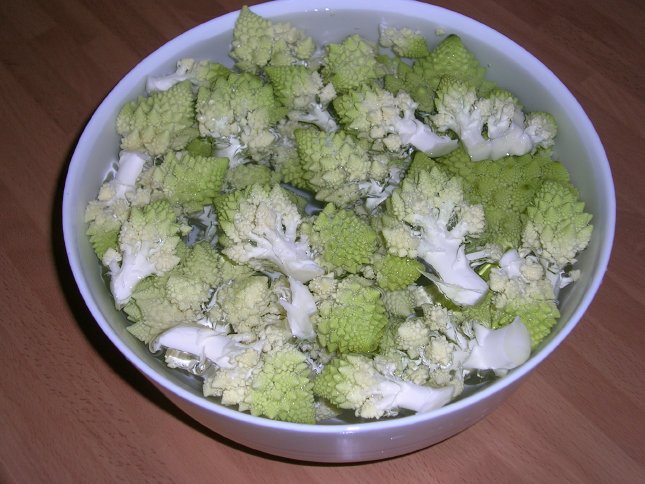 It is native to the Rome area and goes by different names depending on the regions where it is cultivated. In France, it is called "cabbage," in England, romanesco is called "romanesco broccoli," and in Poland and Germany, it is simply called "cauliflower."
Adverse Effects
No significant allergic reactions have been identified with cauliflower and its hybrids, but when consumed in excess, especially raw or partially cooked, it may cause intestinal gas, bloating, and sometimes vague discomfort in the stomach.
A possible side effect could occur in individuals undergoing treatment for blood clotting, as excessive consumption of cauliflower might interfere with it. Such effects are unlikely with normal consumption—one or two servings per week.
Recipes with Cauliflower
It is an extremely versatile vegetable: it can be boiled, baked, sautéed, combined with other vegetables, or eaten raw or pickled. It can even be used in sweet dishes, providing a spectacular texture, much like zucchini or carrots. Try these few spectacular recipes where cauliflower is the main ingredient.
👨🍳Cauliflower Cream Soup
It could be one of the best cream soups. Plus, it’s extremely quick to make.
🥘Ingredients:
- 1 large cauliflower (about 1.5 kg)
- ½ tablespoon ground cumin
- 2 tablespoons olive oil
- 1 medium onion
- 1 piece of celery
- 1 garlic clove
- 1 liter of chicken or vegetable broth (made from concentrate)
- 100 ml thin fermented cream
- Parsley, thyme, salt, pepper
🍳Preparation Method:
Place the cauliflower florets, cut to medium size, on a baking sheet in an oven-safe dish. Drizzle with oil and sprinkle with salt, cumin, and dried thyme. Bake for 15-20 minutes at medium heat, until golden.
Sauté the chopped onion in a tablespoon of oil. Add the chopped garlic and finely chopped or grated celery. Sauté just enough for the vegetables to soften. Add the cauliflower to the soup and cook everything for 10 minutes in a covered pot over low heat.
Blend the soup with an immersion blender until it becomes creamy and smooth. Add the cream, stir, and season with salt and pepper. Sprinkle with fresh parsley and serve the soup plain or with croutons or garlic bread.
👨🍳Warm Cauliflower Salad
It’s a delicious combination, perfect for a light dinner or a creative side dish to accompany grilled meat.
🥘Ingredients:
- 1 medium cauliflower (you can also use colored hybrids or romanesco)
- 2 tablespoons olive oil
- 1 red onion
- 3 tablespoons balsamic vinegar
- 1½ tablespoons honey
- 3 tablespoons raisins
- 1 bunch of dill
- 3 tablespoons toasted almond flakes
- Salt, pepper
- 100 g baby spinach or arugula leaves
🍳Preparation Method:
Preheat the oven and bake the cauliflower florets, drizzled with a little oil and salt, for 15 minutes.
Finely slice the red onion and add it over the cauliflower. Drizzle with a little more oil and continue baking for another 15 minutes.
In a large bowl, place the green leaves and almond flakes. Add the baked cauliflower and onion (after they’ve cooled slightly), then pour over the prepared dressing. Gently toss and serve immediately with toasted bread.
Breaded Cauliflower is a delicious dish with a crispy exterior and soft interior, perfect to serve as an appetizer, side dish, or even a main course.
👨🍳Cauliflower Rice
This is probably one of the simplest, most special, and unique ways to prepare cauliflower. After you try it just once, it will become a favorite because it’s simply delicious. It takes only 5 minutes to make!

🥘Ingredients:
- Parsley
- Mint
- Ground cumin
- 1-2 tablespoons of oil
- Salt, pepper
🍳Preparation Method:
Cut the cauliflower into small pieces and remove the stems, so only the smaller florets remain (the rest of the cauliflower can be used for a dish or soup).
Place the cauliflower in a food processor.
With a few short pulses, it will break down and resemble couscous or rice.
Put it in a dish, sprinkle a little salt, and microwave it for five minutes, or steam it for 10-15 minutes, without adding water.
Drizzle with oil, sprinkle the herbs, and it’s ready!
👨🍳Baked Cauliflower with Cheese
Prepared with a little attention, this "classic" dish can become a perfect meal for any occasion.
🥘Ingredients:
- 1 large cauliflower
- 500 ml milk
- 4 tablespoons flour
- 50 g butter
- 150 g cheddar cheese
- 2-3 tablespoons breadcrumbs
- Nutmeg, pepper, salt
🍳Preparation Method:
Boil the cauliflower, broken into suitable florets. Let it cook for about 5 minutes over medium heat after the water starts to boil. Add salt and a glass of milk to the water. The cauliflower will remain white and have a very pleasant taste.
Drain the cauliflower and set it aside. Heat the milk, add the butter, salt, ground nutmeg, and pepper. Add the flour and whisk well as the mixture heats up. The sauce will thicken. Continue mixing for another 2-3 minutes on the heat. The sauce should be thick and smooth. Remove from heat and add the grated cheese. Stir gently.
Grease a tall oven dish with a thick layer of butter, sprinkle breadcrumbs, and coat the dish. Place the cauliflower in the dish and pour the cheese sauce over it. Grate a little cheddar on top and bake everything in the oven at medium heat for 20 minutes.
Serve hot, with a side of green salad.
👨🍳Cauliflower Cake
This recipe is simple and truly special. It’s a way to bring cauliflower into the fantastic world of homemade sweets.
🥘 Ingredients:
- 1 lemon and 1 organic orange (use them whole)
- 200 grams of raw cauliflower
- 4 tablespoons sugar
- 3 large eggs
- 100 ml vegetable oil
- Vanilla essence
- 250 g flour
- A pinch of salt
- 1 packet baking powder
🍳Preparation Method:
Prepare a loaf pan, round or rectangular. Grease it and line it with parchment paper. Grate the zest of the lemon and orange, then squeeze their juice.
Boil the cauliflower for 5 minutes, after the water starts to boil. Drain the water and rinse it under cold running water, then let it drain thoroughly (you can use an absorbent towel). Mash it with a fork or in a food processor. Add the citrus juice and zest and blend well. Add the sugar and vanilla essence and mix well.
Add the eggs, one at a time, then the oil. Finally, add the flour, which should be mixed beforehand with a pinch of salt and the baking powder. Blend well and pour everything into the prepared pan.
Bake for about 40 minutes at low heat. It’s ready when it passes the toothpick test. You can eat it plain or use it as a base for a cake. It can be soaked, or you can add chopped nuts, dried fruits, raisins, or chocolate chips to the batter.
About cauliflower, Pliny the Elder (who created the model still used for encyclopedias and was the first author of a plant encyclopedia) wrote in the 1st century that it was the best among all cabbage varieties. It’s worth mentioning that each cauliflower floret has the exact proportional shape of the entire cauliflower, and its branches follow the exact pattern of the whole vegetable. Each cauliflower, regardless of variety or color, follows the golden rule: the ratio between its length and width is always 1.6.