


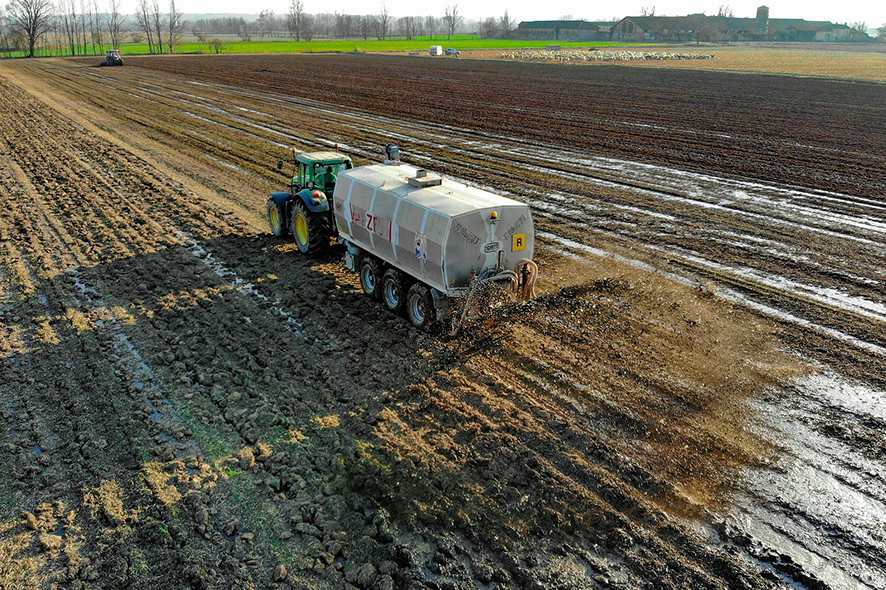
Cover crops, or “crop mats,” are an agroecological strategy that provides a number of benefits in cropping technology and soil fertility management.
🌿 Cover Crops – The Secret to Healthy, Fertile Soil
🧑🌾 What Are Cover Crops?
Cover crops are intentionally planted between main crop cycles to improve soil health, reduce erosion, increase natural fertility, and suppress weeds. They are not harvested for consumption but provide essential ecological services.
🧬 Benefits of Cover Crops
🌱 Cover crops offer multiple advantages:
- 🛡️ Protect soil from erosion
- 💧 Enhance soil water retention
- 🔄 Fix atmospheric nitrogen (especially legumes)
- 🐞 Attract beneficial insects and reduce pest pressure
- 🌿 Suppress weeds through dense ground cover
- 🌾 Improve soil structure and aeration
- 🌍 Help sequester carbon, increasing organic matter
🌼 Common Types of Cover Crops
- 🌱 Legumes – e.g., clover, alfalfa, forage peas → fix nitrogen and enrich soil fertility
- 🌾 Grasses – e.g., rye, oats, barley → quickly cover soil, control weeds and erosion
- 🌻 Crucifers – e.g., mustard, rapeseed, forage radish → combat soil pests, offer biofumigation
- 🍀 Mixed species blends – legumes + grasses + crucifers → synergistic effects, adaptable to varied soils and climates
📘 Practical Guide to Implementation
- Define your cover crop goal → erosion control? nitrogen fixation? weed reduction?
- Choose the right species → consider season, soil type, and main crop
- Plan sowing timing → spring (before main crop) or autumn (after harvest)
- Use proper sowing method → direct seeding, broadcast then roll, or with a seed drill
- Terminate the crop → mow, cut, or incorporate into soil as green manure
- Rotate cover crops yearly → alternate species to avoid nutrient imbalance
🧑🌾 Recommendations for Farmers
✔ Start with a small trial plot
✔ Use mixtures for diverse benefits
✔ Avoid monoculture of cover crops
✔ Monitor soil fertility and biodiversity
✔ Integrate cover crops into your crop rotation plan
🌍 Cover Crops in Moldova
In Moldova, cover crops are increasingly used in:
- Erosion-prone areas (sloping terrain)
- Organic and conservation agriculture systems
- Regenerative farming operations
The Ministry of Agriculture and international programs support these practices with subsidies and farmer training.
🔬 Agroecological Impact of Cover Crops
- Increased functional biodiversity
• Provide habitat for pollinators, birds, and beneficial soil organisms
• Attract natural pest predators (parasitic wasps, ladybugs) - Activated soil microbiome
• Root exudates feed beneficial bacteria and fungi
• Stimulate mycorrhiza formation, enhancing nutrient uptake - Soil carbon sequestration
• Organic matter from cover crops stores carbon in humus
• Reduces CO₂ emissions and helps fight climate change - Land protection from degradation
• Continuous cover prevents crust formation and compaction
• Minimizes nutrient and pesticide runoff into groundwater
🔁 Integration into Crop Rotation
- Insert cover crops between main crop cycles
- Use them post-harvest of summer crops (e.g., maize, wheat)
- Alternate among grasses, legumes, and crucifers
- Avoid over-incorporation to maintain protective soil cover
📝 3-Year Rotation Example
- Year 1: Maize → Autumn rye
- Year 2: Sugar beet → Pea & oat mix
- Year 3: Wheat → White mustard + forage radish
🧑🏫 Visual Implementation Guide
- Analyze local soil and climate → choose adapted species
- Set sowing time → early autumn or spring
- Choose complementary species → e.g., clover for nitrogen + oats for quick coverage
- Prep minimal-till field → direct sowing or no-till
- Integrate into farm equipment usage → seed with standard or no-till machinery
- Terminate cover crop → mow, chop, roll, or herbicide (in conventional systems)
💡 Tips for Beginner Farmers
- 📌 Start using locally sourced seeds or from neighbor farms
- 👨🌾 Seek support from agricultural advisors or ecological NGOs
- 📈 Monitor soil moisture and condition
- 👥 Share learnings with other farmers
- 💬 Attend trainings and pilot projects offered by the ministry or international organizations
💰 Support & Subsidies in Moldova
Farmers using cover crops in Moldova may receive:
- 📜 Subsidies for ecological inputs (seed, minimal equipment)
- 🎓 Professional training through rural development projects
- 🌱 Support via conservation agriculture programs
Check the annual subsidy guide from AIPA.
📝 Conclusion
Cover cropping is an intelligent, sustainable strategy that turns land into a renewable resource. These simple plants, grown during soil “downtime,” work for the farmer—repairing, protecting, and fertilizing the earth.
🌾 The future of agriculture is literally green!