


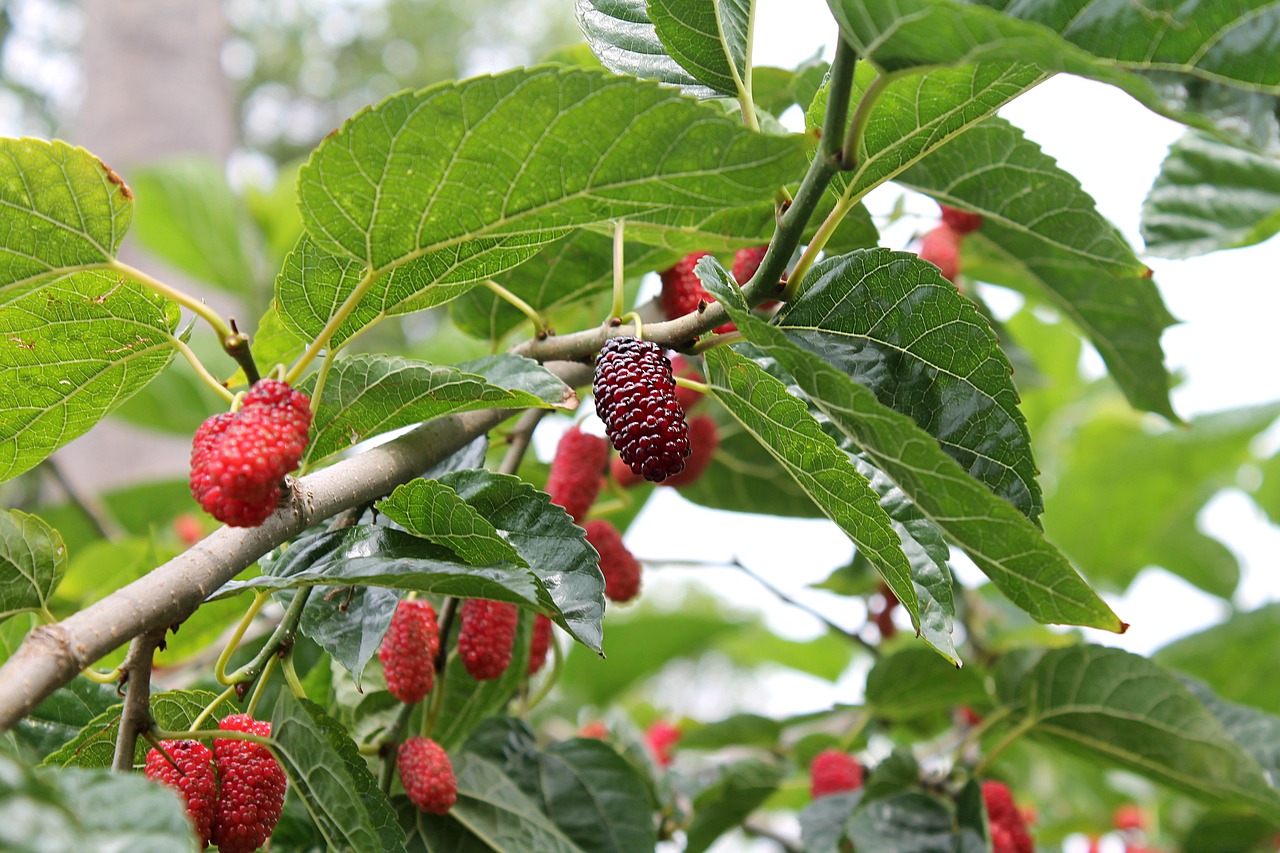
Mulberry (Morus) - is a valuable fruit tree, known for its delicious fruits, similar to blackberries but sweeter and more aromatic.
🌳 Mulberry (Morus) – The Tree with Multiple Benefits
🌿 General Description
The white mulberry, also known as agud, mura, or sorcoviță, is a deciduous tree from the Moraceae family, native to China. It is recognized for its glossy leaves, edible blackberry-like fruits, and its essential role in sericulture (silkworm farming).
🔬 Botanical Classification
- Kingdom: Plantae
- Class: Magnoliopsida
- Order: Rosales
- Family: Moraceae
- Genus: Morus
- Species: Morus alba L.
🌱 Botanical Characteristics
- Height: Can reach 9 to 15 meters at maturity
- Leaves: Variable in shape, often lobed, up to 20 cm long, dark green, with a rough texture
- Flowers: Inconspicuous, unisexual, arranged in catkins
- Fruits: Resembling blackberries, white, pink, or dark red, with a sweet-tart taste
🌍 Geographic Distribution
Originally from China, Morus alba has spread globally due to its economic and ornamental value. It is extensively cultivated in:
- Asia: China, India, Japan
- Europe: Romania, Italy, France
- North America: USA, Canada
🧪 Chemical Composition
The leaves and fruits of white mulberry contain a variety of bioactive compounds:
- Flavonoids: with antioxidant properties
- Alkaloids: with hypoglycemic potential
- Vitamins: C, K, and B-complex
- Minerals: calcium, iron, potassium
🩺 Medicinal Uses
In traditional medicine, white mulberry is valued for its various benefits:
- Leaves: used in infusions for hypoglycemic and astringent effects
- Fruits: eaten fresh or dried for laxative and antioxidant properties
- Bark: used in treatments for respiratory ailments
🍽️ Culinary Uses
The fruits of the white mulberry are versatile in the kitchen:
- Fresh consumption: as a healthy snack
- Jam and preserves: due to their high sugar content
- Wines and liqueurs: in some regions, the fruits are fermented for traditional beverages
🧵 Economic Importance
White mulberry has significant economic value:
- Sericulture: leaves are the primary food for silkworms
- Wood industry: wood is used in furniture and musical instrument making
- Landscaping: ornamental tree in parks and gardens
🌳 Cultivation and Maintenance
- Climate: prefers temperate zones with mild winters
- Soil: well-drained, neutral to slightly alkaline pH
- Light: full sun for optimal fruiting
- Care: regular pruning to maintain shape and tree health
⚠️ Precautions
Although generally safe, it’s important to:
- Avoid excessive consumption of fruits, which may have a laxative effect
- Consult a specialist before using it medicinally, especially for people with chronic conditions
📚 Curiosities
- The white mulberry was introduced to Europe in the 12th century for silkworm cultivation
- In Romania, it is commonly found in rural areas, valued for its fruits and dense shade
- In some cultures, the white mulberry symbolizes wisdom and longevity