


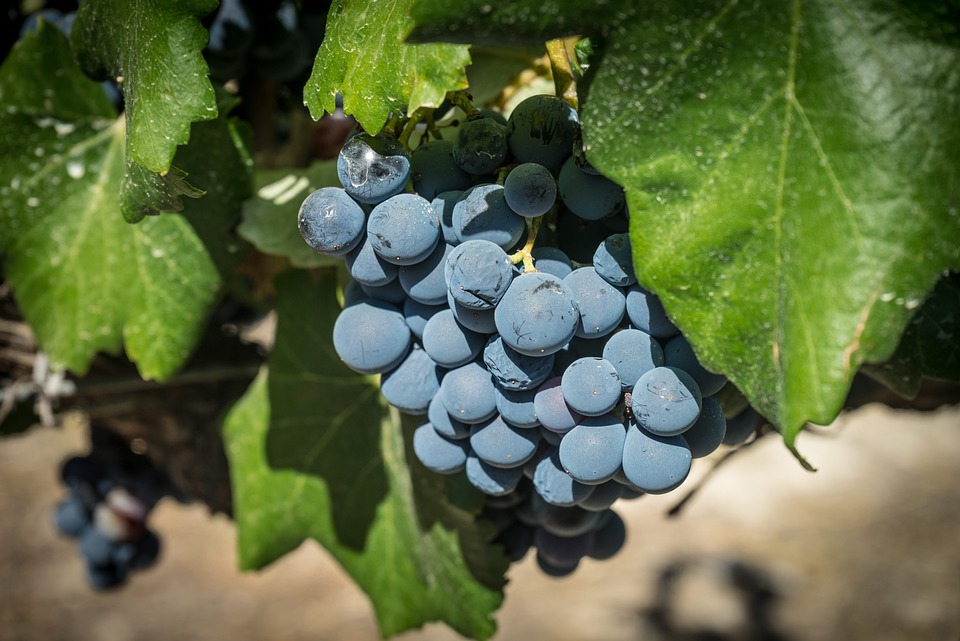
Cabernet Sauvignon is one of the most prestigious grape varieties, renowned for its rich flavor and ability to produce high-quality wines.
🍷 Cabernet Sauvignon – The King of Red Wines
🌿 General Description
Cabernet Sauvignon is one of the most famous and appreciated red grape varieties worldwide, known for its robustness, complex aroma, and excellent aging potential. Originating from France, it is now cultivated on all continents, serving as the base for elegant, powerful, and long-lived wines.
🍇 Botanical Classification
- Kingdom: Plantae
- Family: Vitaceae
- Genus: Vitis
- Species: Vitis vinifera
- Variety: Cabernet Sauvignon
- Origin: France (17th century – natural cross between Cabernet Franc and Sauvignon Blanc)
📍 Geographical Distribution
Cabernet Sauvignon is grown in:
• 🇫🇷 France (Bordeaux – Médoc, Graves)
• 🇮🇹 Italy (Tuscany, Sicily)
• 🇪🇸 Spain (Navarra)
• 🇺🇸 USA (California – Napa Valley)
• 🇦🇷 Argentina, 🇨🇱 Chile, 🇦🇺 Australia, 🇿🇦 South Africa
• 🇷🇴 Romania (Dealu Mare, Miniș, Recaș, Murfatlar)
🌱 Viticultural Characteristics
- Thick, dark-colored skin – promotes tannins and structure
• Late ripening – harvested late September / early October
• Very good resistance to diseases, drought, and transport
• Moderate productivity – 6–8 tons/ha in quality-focused cultivation
🍷 Characteristics of Cabernet Sauvignon Wine
- Color: deep ruby red with violet hues when young
• Aroma: black fruits (blackcurrants, black cherries), black pepper, cedar, tobacco, vanilla (from barrel aging)
• Taste: full-bodied, tannic, balanced, medium acidity, long finish
• Aging potential: excellent – up to 20–30 years in quality wines
🍇 Winemaking Process – Cabernet Sauvignon
- Harvesting
• Manual or mechanical harvesting at 24–26° Brix (sugar content)
• Timing is crucial to balance sugar, acidity, and tannins - Crushing and Destemming
• Grapes gently crushed, stems removed
• Must with skins enters fermentation - Alcoholic Fermentation (7–14 days)
• In stainless steel or wooden tanks at controlled temperatures (24–28°C)
• Skin contact remains to provide tannins and color → dry red wine
• Remontage (pumping over) and pigeage (punching down cap) performed - Post-Fermentation Maceration
• Extended skin contact for added structure and depth - Separation from Pomace
• Free-run wine drained by gravity (“free-run”)
• Pomace pressed for “press wine” (more tannic) - Malolactic Fermentation
• Malic acid (sharper) converted to lactic acid (softer)
• Results in rounder, microbiologically stable wine - Aging
• In oak barrels (French or American) for 6–24 months
• Adds flavors of vanilla, smoke, chocolate, spices
• Softens tannins and adds complexity - Stabilization and Bottling
• Filtration, cold stabilization, bottling
• Bottle aging minimum 6 months, ideally 2–10 years
🍽️ Serving Suggestions
- Red meat: beef fillet, lamb, game
• Cheese: mature cheeses, cheddar, brie, Roquefort
• Dishes: lasagna, stuffed mushrooms, rich stews
- Serving temperature: 16–18°C
- Aeration: decant young wines for 30–60 minutes
🧬 Chemical Composition (Aged Wine)
- Alcohol: 13–15% vol
• Tannins: 400–700 mg/l
• Total acidity: 4.5–6 g/l
• Residual sugar: dry (<4 g/l)
• Polyphenols: high – beneficial for cardiovascular health
🧾 Potential Health Benefits (Moderate Consumption)
- Antioxidants (resveratrol, flavonoids) → cardiovascular protection
• Reduces oxidative stress
• Improves blood flow
• Lowers risk of certain degenerative diseases
⚠️ Moderation: max 1 glass/day (women), 1–2 glasses/day (men)
🏆 Awards and Recognition
- Most awarded red wine at international competitions (Decanter, IWSC, Concours Mondial)
• Part of the world’s most expensive wines: Château Lafite Rothschild, Opus One (USA), Screaming Eagle (Napa Valley)
🇲🇩 Cabernet Sauvignon in Moldova
Moldovan Cabernet Sauvignon wines stand out with:
• Intense ruby red color, sometimes with purple hues
• Aromas of black fruits (blackcurrants, black cherries), chocolate, vanilla, and spices
• Full and velvety taste, well-integrated tannins, persistent finish
Ideal pairings include red meat dishes, mature cheeses, and spiced foods.
🇲🇩 Viticultural Regions and Renowned Wineries
Moldova’s main wine regions: Codru, Valul lui Traian, Ștefan Vodă. Notable wineries producing Cabernet Sauvignon:
• Château Vartely – Taraboste Cabernet Sauvignon, aged 18 months in new barriques, aromas of ripe pomegranate and oriental spices
• Purcari – rich black cherry aromas with fine exotic spice notes
• Castel Mimi – aged minimum 15 months in oak barrels, aromas of ripe red fruits and spices
• Divus Winery – aged 12 months in American oak, aromas of dried fruits, vanilla, chocolate
• Kazayak – aromas of blackcurrants and forest fruits, with fine spice hints
🇲🇩 International Recognition
Moldovan wines, including Cabernet Sauvignon, have won numerous medals at international contests, reflecting the country’s quality and viticultural potential. For example, Carlevana’s Renaissance Cabernet Sauvignon earned a bronze medal at Moldova’s Vinador contest.
🇲🇩 Conclusion
Moldovan Cabernet Sauvignon is an authentic expression of local terroir, blending traditional viticulture with modern winemaking techniques. Whether you are a connoisseur or enthusiast, exploring Moldovan Cabernet Sauvignon offers a memorable tasting experience.
Visit local wineries or join organized wine tours to discover more quality Moldovan wines.
🇷🇴 Cabernet Sauvignon in Romania
- Cultivated in renowned vineyards: Dealu Mare, Miniș, Drăgășani, Murfatlar
• Local character: fruitier, with friendly, lightly spiced tannins
• Recommended for export and premium blends (with Merlot, Fetească Neagră)
📚 Curiosities
- Stable DNA → easily adapts to different terroirs
• Known as “the king of red wines” for its natural balance of structure, aroma, and acidity
• Often confused with Merlot when young, becoming more tannic and intense with aging