


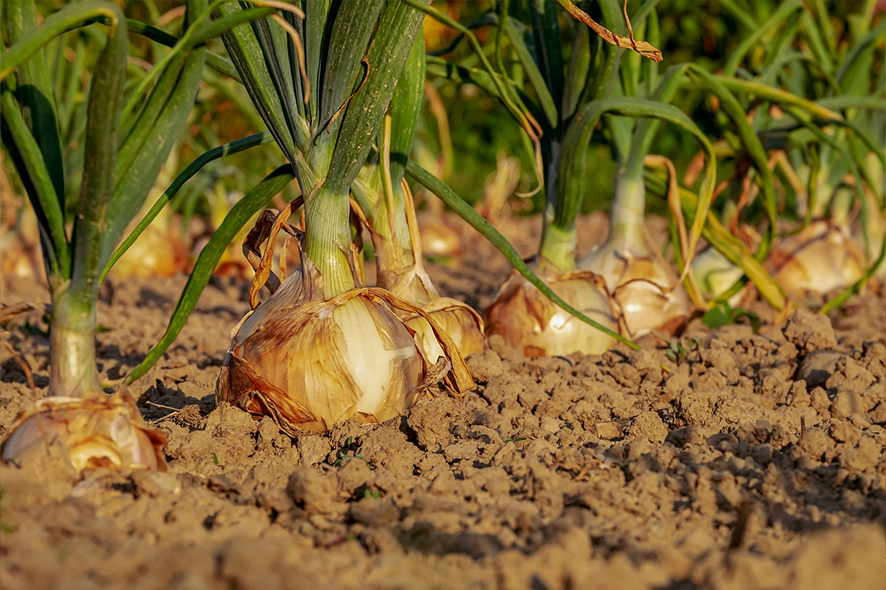
Onions (Allium cepa) are one of the most commonly grown vegetables in the world, and a kitchen staple in every household.
Growing Onions – A Garden Essential
Easy to grow, highly versatile, and packed with nutrients, onions are ideal for both small backyard gardens and large-scale cultivation.
🌱 Why Grow Onions?
- ✅ Easy to maintain: Onions are hardy plants that don’t require complicated care.
- ✅ High yield: Even small spaces can produce a generous harvest with minimal effort.
- ✅ Nutritional value: Onions are rich in vitamins (C, B6), antioxidants, and have natural antibacterial properties.
- ✅ Long shelf life: When stored properly, onions can last for months without losing flavor or nutrients.
🌍 Soil and Climate Requirements
- ☀️ Sunlight: Onions love sunlight and need at least 6 hours of direct light per day.
- 🌱 Soil: They prefer light, well-drained, nutrient-rich soil. Avoid heavy clay soils.
- 💧 Watering: Onions need regular watering during the growing phase but dislike soggy soil.
🧑🌾 Preparing the Soil
- 🧪 Test soil pH: Ideal pH is between 6.0 and 6.8. Add compost or well-rotted manure to improve structure and fertility.
- ♻️ Fertilization: Before planting, enrich the soil with organic fertilizers or compost to give onions a strong start.
- 🧹 Weed and loosen soil: Remove weeds and loosen the topsoil to support root growth.
🌱 Planting Onions
- 📆 Best time to plant: Early spring (March–April) or autumn for overwintering varieties.
- 🌰 Planting material: You can grow onions from sets (small bulbs), seeds, or seedlings.
- 📏 Spacing: Plant onion sets 2–3 cm deep, 10–15 cm apart, with 25–30 cm between rows.
- 💧 After planting: Water gently after planting and keep the soil consistently moist during early growth.
🧰 Onion Care
- 💧 Regular watering: Keep the soil slightly moist, but avoid overwatering.
- 🌿 Weeding: Remove weeds regularly to avoid competition for water and nutrients.
- 🌾 Feeding: Use organic fertilizers during the growing season to boost bulb development.
- 🐛 Pest control: Watch for pests like onion flies or wireworms. Use natural or organic pest control methods if needed.
🧅 Harvesting and Storage
- ⏳ When to harvest: When the leaves begin to yellow and fall over—usually mid to late summer (July–August).
- 🧺 How to harvest: Gently pull the bulbs from the soil and let them dry in the sun for several days.
- 🧊 Storage: Once dry, store onions in a cool, airy place—baskets, mesh bags, or braided and hung.
✅ Final Thoughts
Onions are essential in any kitchen and incredibly easy to grow. With minimal care, you’ll enjoy a rich harvest that adds flavor and nutrition to countless dishes.
🧅 The Benefits of Onions – The Superfood in Your Kitchen
Onions are much more than just a basic ingredient in soups, salads, or stews. This humble vegetable, used for thousands of years in both cooking and medicine, is a true treasure for your health. Whether red, white, yellow, or green, onions contain valuable compounds that support the body in amazing ways.
🔍 1. Rich in Antioxidants
Onions contain flavonoids, particularly quercetin, a powerful antioxidant that reduces inflammation and protects cells from free radicals. Antioxidants play a vital role in preventing premature aging and chronic diseases.
❤️ 2. Supports Heart Health
Regular consumption of onions can help lower blood pressure, reduce "bad" cholesterol (LDL), and prevent blood clot formation. In this way, onions contribute to maintaining a healthy cardiovascular system.
🛡️ 3. Boosts Immunity
Onions have natural antibacterial and antiviral properties due to sulfur-containing compounds. During the cold season, consuming raw onions or onion syrup can support the immune system and reduce the risk of respiratory infections.
🌿 4. Detoxifying Effect
Onions help eliminate toxins from the body by stimulating the liver and kidneys. They also have a mild diuretic effect, aiding in the removal of excess water.
🩺 5. Regulates Blood Sugar Levels
Thanks to their content of compounds with hypoglycemic effects, onions can help maintain balanced blood sugar levels, making them beneficial for people with type 2 diabetes.
🧅 How to Consume Onions for Maximum Benefits?
- Raw – in salads or as a garnish: preserves all active nutrients.
- Roasted or boiled – easier to digest but with reduced active compounds.
- In syrup form – a traditional remedy for cough and cold.
📌 Conclusion
Onions are not only a basic kitchen ingredient but also a reliable ally for your health. Include them in your daily diet and enjoy their taste, but most importantly, their beneficial effects on your body!
Onion Recipes
🧅French Onion Soup (Soupe à l’Oignon)
French Onion Soup is a traditional dish with humble origins, which has become a true symbol of French cuisine. With its deep, aromatic taste, this soup is perfect for chilly evenings or when you need a comforting dish. The secret lies in the slow caramelization of the onions, which gives the soup its signature sweetness.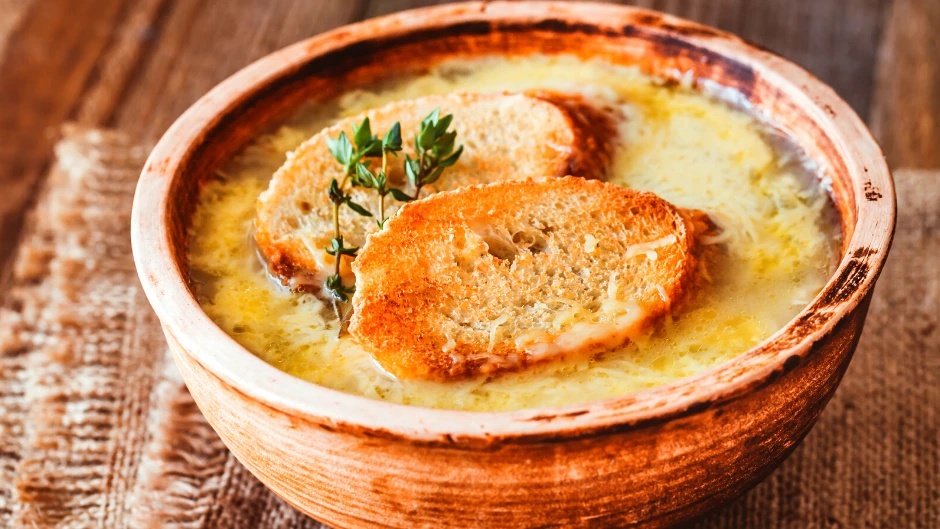
🛒 Ingredients:
- 🧅 5-6 large yellow onions (sliced thinly)
- 🧈 2 tablespoons butter
- 🫒 1 tablespoon olive oil
- 🍷 100 ml dry white wine (optional)
- 🍞 Slices of baguette or dried bread
- 🧀 100 g Gruyère or Emmental cheese, grated
- 🧂 Salt, pepper to taste
- 🍲 1.5 liters beef or vegetable broth
- 🌿 Thyme or bay leaves (optional)
👩🍳 Method:
- Caramelize the onions: In a large pot, heat the butter and olive oil. Add the onions and cook over low heat for 30-40 minutes, stirring often, until they become golden and caramelized.
- Deglaze with wine: If using wine, add it now and let it simmer for a few minutes until the alcohol evaporates.
- Add the broth: Pour the hot broth over the onions, add salt, pepper, and, if desired, a little thyme or a bay leaf. Simmer for 20-25 minutes on low heat.
- Prepare the croutons: Toast the slices of baguette or bread in the oven or in a pan until crispy.
- Serve in classic style: Pour the soup into heat-resistant bowls, place a slice of bread on top, and sprinkle generously with grated cheese. Place the bowls in a preheated oven for a few minutes, until the cheese melts and turns golden.
🍽️ How to serve:
Serve hot, with the melted cheese forming a delicious crust on top. It is ideal as a main dish on a cold day or as a sophisticated starter for a French-style meal.
🧅Pickled Onions
Pickled onions are a delicious, crunchy, and tangy condiment, perfect for adding a burst of flavor to any dish. Whether in burgers 🍔, salads 🥗, sandwiches 🥪, or tacos 🌮, they provide a delightful contrast of taste and texture. They are quick and easy to make, and the result is spectacular!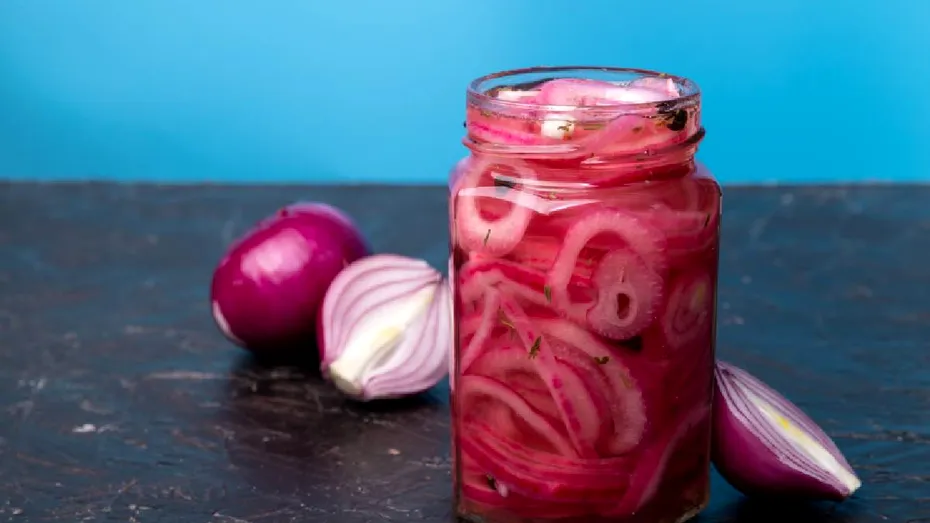
🛒 Basic Ingredients:
- 🧅 1-2 red onions (or white), thinly sliced
- 🍶 250 ml vinegar (apple cider, white, or red wine vinegar)
- 💧 250 ml water
- 🧂 1 tablespoon salt
- 🍬 1 tablespoon sugar (or honey)
- 🧄 Optional: sliced garlic, peppercorns, mustard seeds, thyme, bay leaves, hot pepper – for extra flavor
👩🍳 Preparation Method:
- Prepare the pickling liquid: In a pot, bring the vinegar, water, salt, and sugar to a boil. Stir until the sugar dissolves completely. Remove from heat and let it cool slightly.
- Prepare the onions: Slice the onions very thin (using a mandoline is ideal) and place them in a clean jar.
- Pour the liquid: Pour the warm pickling liquid over the onions, making sure they are completely submerged. Add your preferred spices.
- Let them pickle: Close the jar and store it in the refrigerator. The onions are ready to eat after 1-2 hours, but the flavor deepens after a day.
⏱️ Storage:
Store in the refrigerator for up to 2 weeks. It's an ideal garnish for fatty or spicy dishes, balancing the flavors with its pleasant acidity.
🍴 Serving Ideas:
- In burgers with aged cheese 🧀
- On bruschetta with hummus 🧆
- In salads with avocado 🥑
- Alongside grilled meat or on a cheese platter 🧀🍷
🧅Baked Stuffed Onions
Baked stuffed onions are a savory, aromatic, and comforting dish, perfect for chilly days or special meals. The sweet taste of the roasted onions pairs perfectly with the filling, which can be made with meat, vegetables, cheese, or even a vegetarian version. It's an elegant alternative to stuffed peppers or zucchini, ideal as a main dish or a special side.
🛒 Basic Ingredients (for 4 servings):
- 🧅 4 large onions (white or yellow)
- 🥩 200 g minced meat (beef, pork, turkey – your choice)
- 🍚 2-3 tablespoons cooked rice (optional)
- 🧄 1 garlic clove, minced
- 🧂 Salt, pepper, thyme, paprika (to taste)
- 🌿 Chopped parsley or dill
- 🧀 50 g grated cheese for topping (optional)
- 🫒 Olive oil
👩🍳 Preparation Method:
- Prepare the onions:
- Peel the onions and boil them whole in salted water for 10-15 minutes, until they soften slightly. Let them cool, then cut off the tops and carefully remove a few layers from the inside, leaving a “basket” with 2-3 thick layers of onion.
- Prepare the filling:
- Finely chop the removed onion and sauté it in a little olive oil with the minced garlic. Add the minced meat and seasonings. When the meat is cooked, add the cooked rice (if using) and the chopped herbs. Let the filling cool.
- Stuff the onions:
- Place the onions in a greased baking dish. Stuff them with the prepared filling, sprinkle grated cheese on top, and drizzle with a little olive oil.
- Bake:
- Place the baking dish in the oven at 180°C (350°F) for 25-30 minutes, until the onions are golden brown and tender.
🍽️ Serving Suggestions:
- Serve as a main dish, with tomato sauce or sour cream.
- Pair with a green salad or mashed potatoes.
- For a vegetarian version, the filling can be made from mushrooms, rice, nuts, or lentils.
🧅Crispy Onion Rings
Crispy on the outside, tender and sweet on the inside, onion rings are a classic snack, popular worldwide, especially in American cuisine. They can be served as an appetizer, side dish, or savory snack, paired with a delicious dipping sauce. They are easy to make and a true treat for those who love contrasting textures!
🛒 Basic Ingredients:
- 🧅 2 large onions (white or yellow)
- 🥛 200 ml milk or buttermilk (for tenderness)
- 🥚 1 egg
- 🌾 150 g flour
- 🥄 1 tablespoon cornstarch (optional, for extra crunch)
- 🍺 100 ml cold beer (or sparkling water, for a lighter batter)
- 🧂 Salt, pepper
- 🧄 Optional: sweet paprika, garlic powder, oregano
- 🍞 Panko breadcrumbs (for an extra crispy crust)
- 🫒 Oil for frying
👩🍳 Preparation Method:
- Prepare the onions:
- Peel the onions and slice them into 1 cm thick rings. Separate the rings and soak them in milk or buttermilk for 15-20 minutes to make them more tender and reduce their sharpness.
- Prepare the batter:
- In a bowl, mix the egg, flour, cornstarch, salt, pepper, spices, and cold beer (or sparkling water) until you get a smooth, slightly thick batter, similar to pancake batter. You can add a bit of breadcrumbs to the batter for extra texture.
- Coating and frying:
- Dip the soaked onion rings into the batter, then coat them with breadcrumbs (optional, for an extra crunchy crust), and fry them in hot oil for about 2-3 minutes on each side, until golden and crispy.
- Drain and serve:
- Remove the onion rings and place them on paper towels to remove excess oil.
🍽️ Serving Suggestions:
- Serve with garlic sauce, sweet chili sauce, herb mayonnaise, or spicy ketchup.
- As a side dish with burgers 🍔 or steaks.
- For a lighter version, try baking them in the oven or using an air fryer.
🧅Romanian Onion Stew with Polenta (Tocăniță de Ceapă cu Mămăligă)
A rustic dish full of childhood memories and the scents of home, Romanian onion stew with polenta is one of the most beloved traditional recipes. Slowly cooked with plenty of onions that become sweet and golden, the stew is nourishing, aromatic, and often served alongside a warm, fluffy yellow polenta. A simple dish with an unmistakable taste!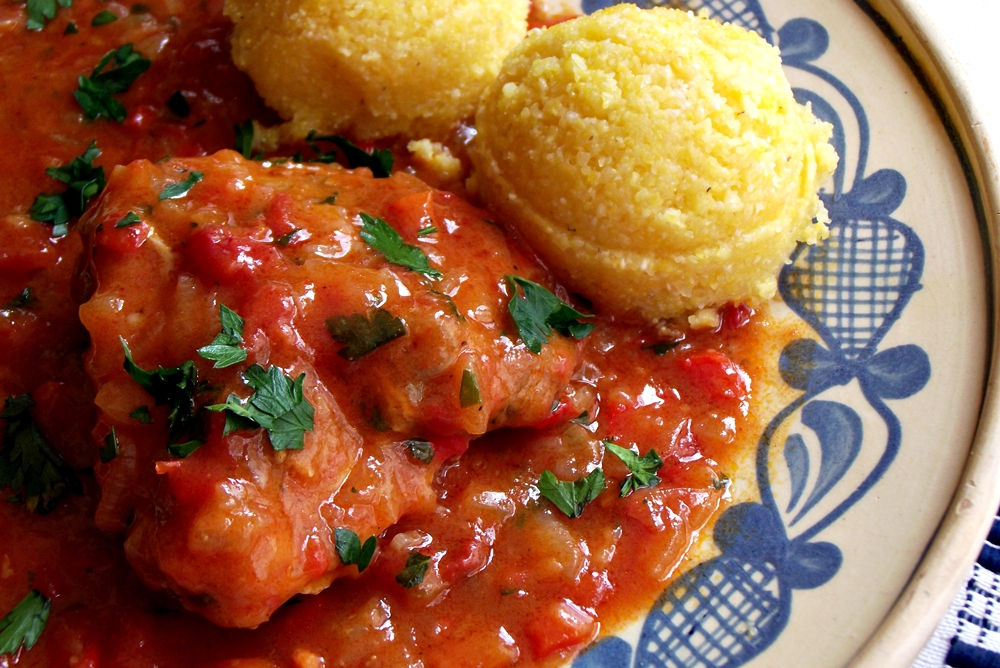
🛒 Ingredients:
For the stew:
- 🧅 6-8 large onions (yellow or red)
- 🫒 3-4 tablespoons oil (sunflower or olive oil)
- 🧄 2-3 garlic cloves (optional)
- 🥄 2 tablespoons tomato paste or 200 ml crushed tomatoes
- 🫑 1 bell pepper (optional)
- 🧂 Salt, pepper
- 🌿 Thyme, bay leaves
- 🌶️ Paprika or sweet pepper (for an authentic taste)
- 💧 Water or vegetable broth, enough to cover
For the polenta:
- 🌽 300 g cornmeal (mălai)
- 💧 1 L water
- 🧂 Salt to taste
👩🍳 Preparation Method:
Stew:
- Peel and slice the onions julienne (thin strips). The more onions, the better the flavor!
- Heat the oil in a large pot and add the onions. Cook over low heat, with a pinch of salt, until soft and lightly caramelized (about 15-20 minutes).
- Add the chopped garlic, bell pepper (if using), paprika, and then the tomato paste or crushed tomatoes.
- Add the spices (thyme, bay leaves, pepper), and pour in enough water to cover the ingredients.
- Let it simmer over low heat, stirring occasionally, until the onions are well-cooked and the sauce has reduced and thickened (about 30-40 minutes).
Polenta:
- Boil water with salt in a pot or cauldron.
- When it starts to boil, gradually add the cornmeal while stirring continuously.
- Cook for 15-20 minutes over low heat until the polenta is thick and pulls away from the sides of the pot.
🍽️ Serving Suggestions:
- Serve the hot onion stew with a “mountain” of soft or inverted polenta.
- You can top it with a fried egg 🍳, grated cheese 🧀, or even fried sausages for a heartier version.
- It pairs wonderfully with pickled cucumbers or sauerkraut salad.
🧅Chicken Livers with Onions and White Wine
A simple, quick, and incredibly tasty recipe, chicken livers with onions and white wine are the kind of dish that wins you over with every bite. Slowly sautéed onions become sweet and aromatic, the white wine adds finesse and a slight tang, and the livers remain tender and juicy.
Perfect for a weeknight dinner, yet flavorful enough to impress on the weekend!
🛒 Ingredients:
- 🍗 500 g chicken livers, cleaned
- 🧅 2-3 large onions, sliced into rings
- 🧄 2 garlic cloves, finely chopped
- 🫒 3 tablespoons oil or 1 tablespoon butter + 2 tablespoons oil
- 🍷 100 ml dry white wine
- 🌿 1 sprig of thyme (or ½ teaspoon dried thyme)
- 🧂 Salt, freshly ground pepper
- 🌶️ Optional: chili flakes or sweet paprika
👩🍳 Preparation:
- Heat the oil (or butter and oil mixture) in a large skillet.
- Add the onions and cook over medium-low heat until soft and lightly golden (8-10 minutes).
- Add the garlic and stir gently, then add the well-drained and dried chicken livers (important to avoid splattering).
- Let the livers brown on all sides without turning them too often (about 5-7 minutes).
- Deglaze with the white wine, add the thyme, and season with salt and pepper.
- Cook everything for another 7-10 minutes, until the wine reduces, and the livers are tender but well-cooked.
🍽️ Serving Suggestions:
- Perfect with mashed potatoes, polenta, or rice with butter.
- For a lighter option, serve with a green salad, pickled cucumbers, or steamed vegetables.
- A glass of chilled white wine will beautifully complement the flavors on the plate 🍷✨