


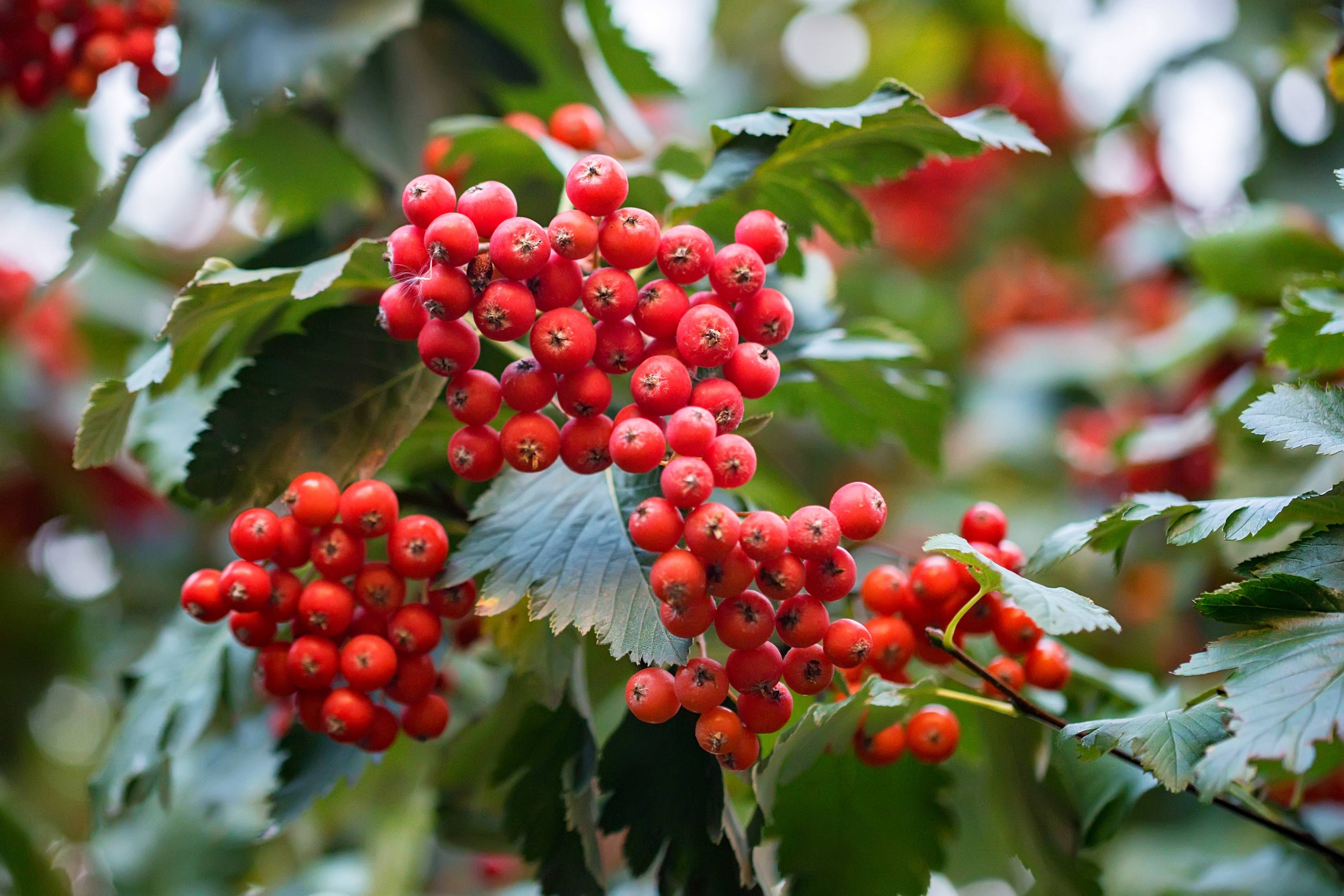
Hawthorn (Crataegus) is a shrub or small tree widely used in landscaping and gardening. It is appreciated for its decorative properties and medicinal qualities.
🌿 Hawthorn – The Natural Remedy for the Heart and Relaxation
🌳 General Description
Hawthorn (Crataegus) is a shrub or small tree from the Rosaceae family, valued for centuries for its beneficial effects on the cardiovascular system and its calming properties. It is common in the temperate regions of Europe and North America, with white or pink flowers and small red edible fruits rich in antioxidants.
🌿 Botanical Classification
- Kingdom: Plantae
- Family: Rosaceae
- Genus: Crataegus
- Common species: Crataegus monogyna (single-seed hawthorn), Crataegus laevigata
- Origin: Europe, Asia, North America
📍 Geographical Distribution
Hawthorn is found in:
- 🇪🇺 Central and Eastern Europe (including Moldova and Romania)
- 🇷🇺 Western and Central Asia
- 🇨🇦 North America (cultivated and naturalized)
- 🇲🇩 Moldova – widespread in plains and hills
🌱 Botanical Characteristics
- Height: 3–6 m (sometimes up to 12 m)
- Leaves: lobed, dark green, with toothed edges
- Flowers: small, white or pale pink, pleasantly scented, grouped in corymbs
- Fruits: small red or orange drupes, sweet-tart
- Blooming: May–June
🍵 Medicinal Properties and Uses
- ❤️ Cardiotonic effects: improves blood circulation and heart function
- 🌿 Natural calming agent: reduces anxiety and stress
- 💊 Powerful antioxidant: combats free radicals and prevents cell damage
- 💧 Mild diuretic and anti-inflammatory
- 🌼 Use: teas, tinctures, standardized capsules, extracts
🧑🌾 Cultivation and Care
- Soil: prefers well-drained, fertile soil
- Exposure: full sun or partial shade
- Resistance: highly adaptable, cold- and pollution-resistant
- Propagation: by seeds or cuttings
🏛️ Cultural and Traditional Significance
- In folklore, hawthorn symbolizes protection and heart health
- Frequently used in hedges and landscaping for its thorns and ornamental appearance
- In traditional European medicine, used for over 200 years as a heart tonic
🧪 Chemical Composition
- Flavonoids: hyperoside, vitexin
- Proanthocyanidins
- Phenolic acids
- Biogenic amines (tryptophan)
- Vitamins (C and E)
⚠️ Precautions
- Medical consultation recommended before use in cases of severe heart conditions
- Should not be combined with heart medication without professional advice
- Avoid during pregnancy unless supervised by a healthcare provider
🌼 Conclusion
Hawthorn is a valuable plant for maintaining cardiovascular health and nervous balance. When used properly, it can support the heart and reduce mental tension. In Moldova, hawthorn remains a cherished natural resource in phytotherapy and a beautiful presence in rural landscapes.