


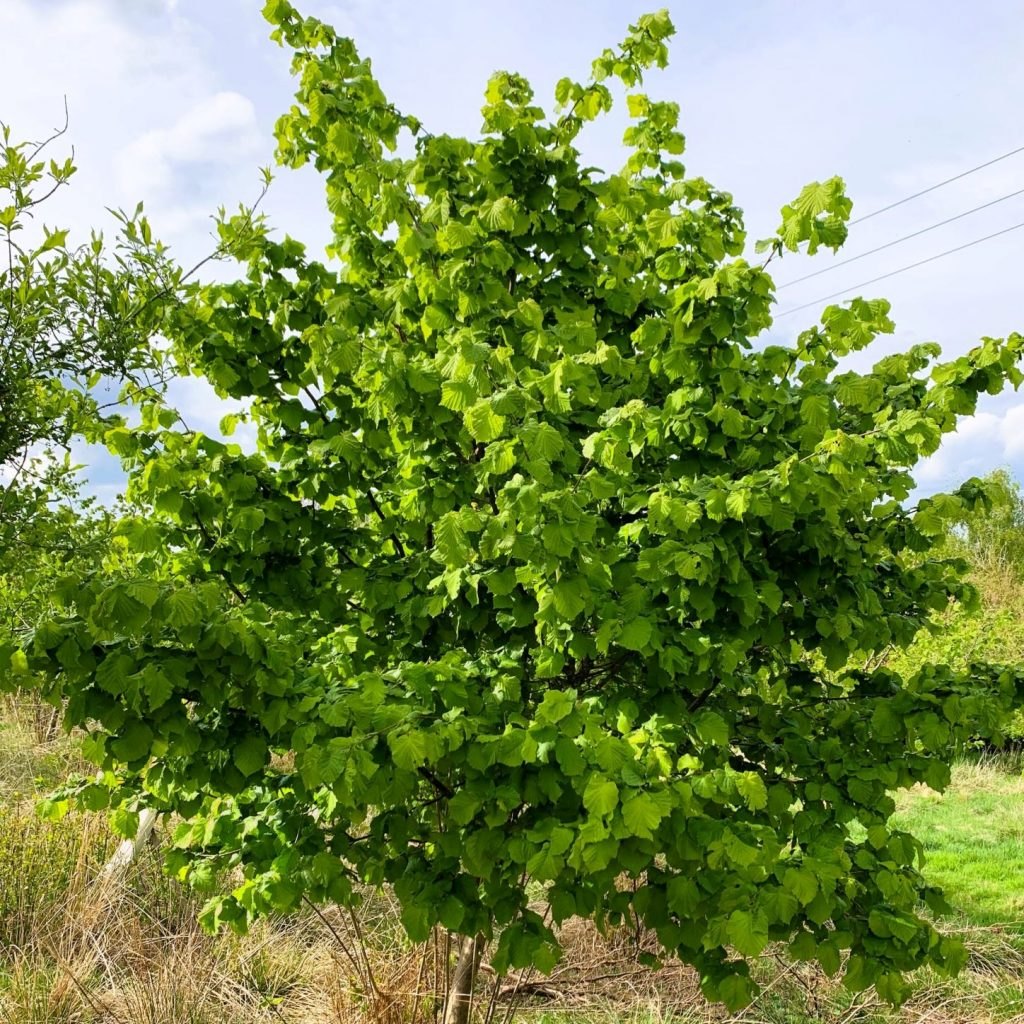
Hazel (Corylus avellana) is an important tree for forests, parks, avenues and landscape projects.
🌳 Hazel – tree
🌿 General description
Hazel is valued for ecological function, ornamental qualities and its ability to improve local microclimate. Depending on the species, it can be used in forests, shelterbelts, parks, large gardens or urban spaces.
🧬 Botanical classification
- Family: Betulaceae
- Scientific name: Corylus avellana
- Origin/distribution: Europe
- Type: forest or ornamental tree
☀️ Growing requirements
- Light: most trees need good light during establishment.
- Soil: soil should match the species, with drainage and enough rooting volume.
- Water: watering is critical in the first years after planting.
🌱 Planting
- Choose the site according to the mature size of the tree.
- Dig a wide planting hole and avoid compaction at the base.
- Place roots naturally and keep the root collar at soil level.
- Water well and protect the trunk where damage is likely.
✂️ Care
- Pruning should be moderate, focused on training and removing broken branches.
- Mulch reduces water stress and weed competition.
- Disease and pest monitoring is important, especially in urban areas.
- Young trees need periodic checks of stakes and ties.
🌍 Use
The species can provide shade, biodiversity value, soil protection, dust capture and landscape quality. Correct species choice reduces long-term maintenance costs.
✅ Conclusion
Hazel is suitable for green projects when planted in conditions compatible with the biology of the species.